The first time I saw a proper bingo hall in Western Sydney, it was the sort of place where the linoleum had given up years ago and the caller still treated every number like a news bulletin. Mobile bingo real money australia has since swapped the sticky floors for a phone screen, but the rhythm of the game – patience, pattern spotting, a little luck – stays stubbornly the same. This isn’t a slot machine dressed up in daubers; it’s a slower, more social game that asks you to show up for the full session rather than chase a ten-second payout.
What the Room Looks Like on a Phone Screen
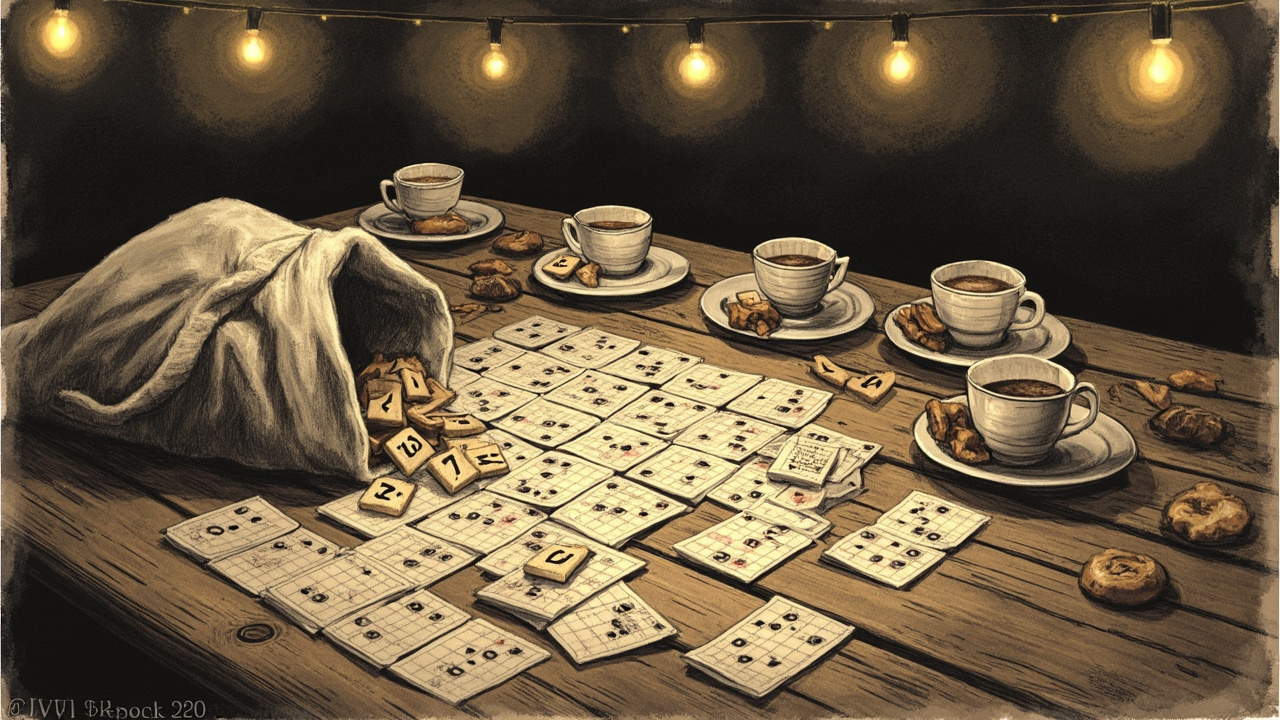
A decent mobile bingo room is built around a simple promise: a clean lobby, a live caller, and enough room around the table for you to actually read the numbers without squinting at a cracked screen. The core offer is straightforward – fixed-price tickets, a running prize pool, and a handful of side rooms that run on different card counts and speeds. What separates the better rooms from the noisy ones is consistency: the same ticket pricing across sessions, a caller who doesn’t sprint through the numbers, and a lobby that doesn’t hide the important stuff behind a wall of flashing banners.
Three traits tend to separate a room worth returning to from one you leave after a single arvo. First, the card display has to hold up when you’re playing multiple tickets at once; anything less and you’re just guessing which square you already marked. Second, the prize structure should be visible before you buy in, not buried in a fine-print footnote that only appears after the session ends. Third, the whole thing needs to sit comfortably on a phone without chewing through data or turning the touchscreen into a nervous tic. When those pieces line up, the game feels less like a digital slot and more like a proper room you can step into between errands.
Payments and registration should be equally plain-spoken. A sensible setup asks for the usual identity checks before you play for real money, keeps the currency in Australian dollars, and lets you move between deposit and withdrawal without renegotiating the whole experience each time. Support matters here too, because bingo is a session game – if a ticket doesn’t register or a room stalls, you want a human who understands the difference between a technical hiccup and a game that’s simply running slow. Loyalty, when it’s done properly, rewards showing up rather than chasing a single big win, which is about right for a game that rewards patience over food-skills-for-self-sufficiency.com impulse.
How the Numbers Actually Sit on the Screen
Bingo on a phone works best when the interface gets out of the way and lets the game do its own pacing. The card grid should be readable at a glance, with marked squares changing clearly enough that you don’t have to tap each one twice to confirm. A room with too many tickets active at once can turn into a visual scramble, so a decent lobby gives you a way to cap your card count before the session starts rather than after you’ve already lost track of which line you’re chasing.
The caller’s pace matters more than the graphics. A methodical caller lets you keep up with a few tickets without feeling rushed, while a sprinting caller turns the whole thing into a memory test. Rooms that offer different speeds – a relaxed session for a quiet lunch break, a faster one for when you’ve got time to spare – tend to keep players longer because you can match the room to the afternoon rather than the other way around. That’s the difference between a game you fit into your day and one that demands you clear the calendar.
Side rooms and pattern games add variety without changing the basic mechanic. A simple line or two still does the job, but rooms that mix in full-house targets, corner patterns, or split games give you something to choose when you’ve got more time on your hands. The key is that the pattern should be visible before you buy in, and the prize pool should make sense relative to the card price. Anything else is just decoration.
A small table helps here, because bingo rooms can all sound the same until you line up the practical bits side by side.https://vegasherowin.net
| Feature | What to look for | Why it matters |
|---|---|---|
| Card display | Clear marked squares, readable at multiple tickets | Keeps you from missing a number when the room gets busy |
| Caller pace | Options for relaxed and faster sessions | Lets you match the room to the time you’ve got |
| Prize visibility | Pool and pattern shown before buy-in | You know what you’re buying into, not after |
| Payment setup | Australian dollars, identity checks before play | Keeps the session grounded and the paperwork upfront |
| Support | Someone who understands bingo, not just tickets | A stalled room is different from a slow one |
Who the Room Actually Suits
This game suits someone who wants a session with a beginning, a middle, and an end, rather than a feed of quick hits that disappears the moment you look away. If you’re the sort of person who can sit through a full set of numbers without checking another app every thirty seconds, bingo on mobile has a proper place in your day. It’s also a reasonable fit for anyone who likes a game with a social edge – a live caller, a room that feels like a room – without needing to leave the house or find a venue that’s still open.
It’s less suited to anyone chasing fast, repeatable payouts or treating a bingo session like a slot spin. The game moves at its own pace, and the prize pool is shared across the room, which means your results are tied to the session as much as to your own tickets. That’s not a flaw; it’s the point. Bingo rewards showing up for the full run, marking carefully, and accepting that some sessions are about the rhythm more than the return.
If you’re weighing whether it fits your habits, the honest test is simple: can you give a session your attention for the length of a decent phone call, or do you need something that hands you a result before the kettle boils? If it’s the first, you’ll probably find a room that suits. If it’s the second, there are other games better matched to that pace.
A Quick Word on the Table Next Door
Bingo isn’t the only game that asks you to think about how a session is built, and it helps to know where the line sits between one style and another. Let It Ride is a poker-based table game where players can withdraw bets as cards are revealed, which is a different kind of patience – you’re deciding whether to take back a bet as the hand unfolds rather than marking squares and waiting for a caller. Roulette sits somewhere else again: on a single-zero wheel, every bet on the layout shares the same house edge, so the choice is about how you want to spread your numbers, not about finding a clever corner with a hidden advantage. None of that changes how bingo plays, but it does help to know that a bingo room is its own thing, not a slot in a card game’s clothing.
Mobile bingo real money australia works best when you treat it like what it is: a session game with a clear pace, a visible prize, and enough room around the screen to actually play it properly. If the room fits your afternoon, the game tends to repay the attention. If it doesn’t, no amount of polish will make it feel like anything more than a screen you’ve got open for the wrong reason.